
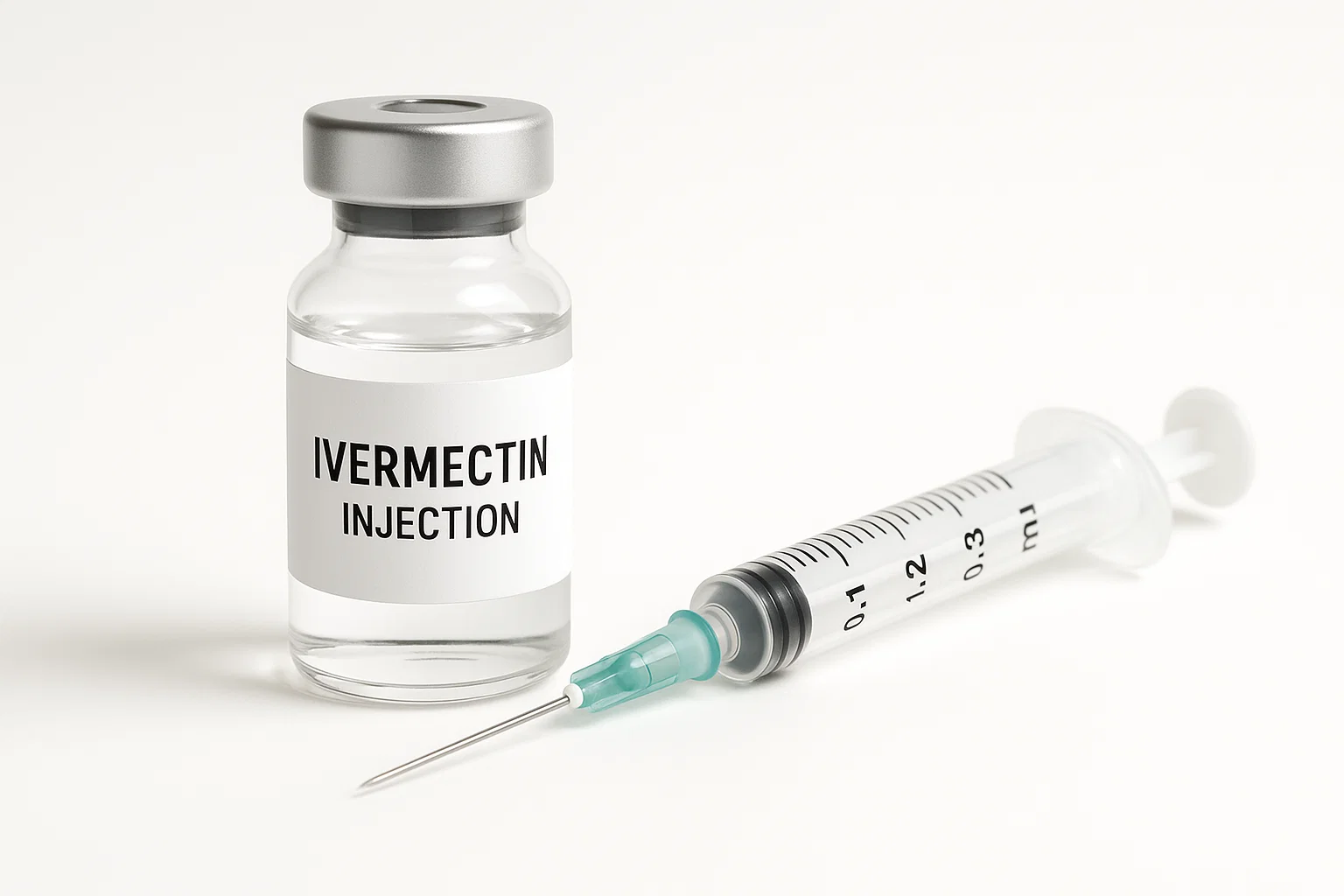
introduction to ivermectin injection
Meta Title:
Ivermectin Injection: Uses, Dosage, Safety, and Expert Guide
Meta Description:
Discover everything about ivermectin injection: uses, dosage, safety tips, and expert advice for livestock and pets. Learn how to use it effectively without risks.
What Is Ivermectin Injection and Why Is It So Popular?
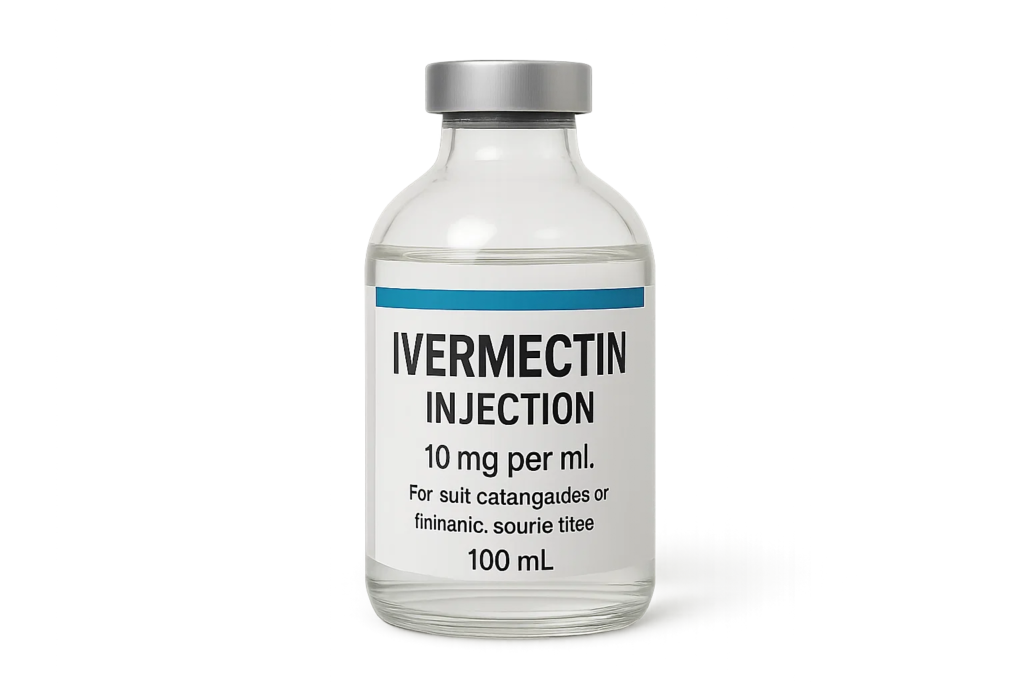
Ivermectin injection is a medication widely used in veterinary medicine and, in some cases, for human treatment under strict medical supervision. It belongs to a class of drugs called antiparasitic agents, which means it fights and eliminates internal and external parasites. Originally, ivermectin was developed for livestock and pets to treat issues like worms, mites, and lice. However, its benefits have extended to human healthcare for specific parasitic infections.
This medication works by paralyzing and killing parasites that feed on the host. Because of its powerful effect, ivermectin injections have become an essential part of animal care. Farmers, pet owners, and veterinarians trust it because it not only treats but also prevents parasite infestations, keeping animals healthy and productive.
So, why has ivermectin gained attention globally? Beyond veterinary uses, the drug has made headlines for its role in controlling certain parasitic diseases in humans. While oral tablets are more common in human medicine, injections are mainly reserved for animals due to dosage control and safety factors. Still, understanding this medication is crucial whether you’re a pet owner, livestock farmer, or curious health enthusiast.
How Does Ivermectin Injection Work? The Science Explained
Ivermectin works by targeting the nervous system of parasites. It binds to specific chloride channels in nerve and muscle cells of the parasites, causing paralysis and eventually death. This mechanism is highly effective because it selectively affects parasites without harming the host when used correctly.
The injection form ensures rapid absorption into the bloodstream, delivering quick results against infestations. This is particularly helpful in severe cases where oral medications may take longer to show results. The drug’s effectiveness depends on accurate dosing, which is why veterinarians handle most injections to avoid overdose or complications.
One thing worth noting: ivermectin does not kill parasite eggs. That means repeated treatments or additional preventive measures are often necessary. Think of it as an immediate fix for live parasites rather than a long-term solution on its own. Combining ivermectin injections with proper hygiene, deworming schedules, and nutritional care ensures complete protection for animals.
Common Uses of Ivermectin Injection in Animals
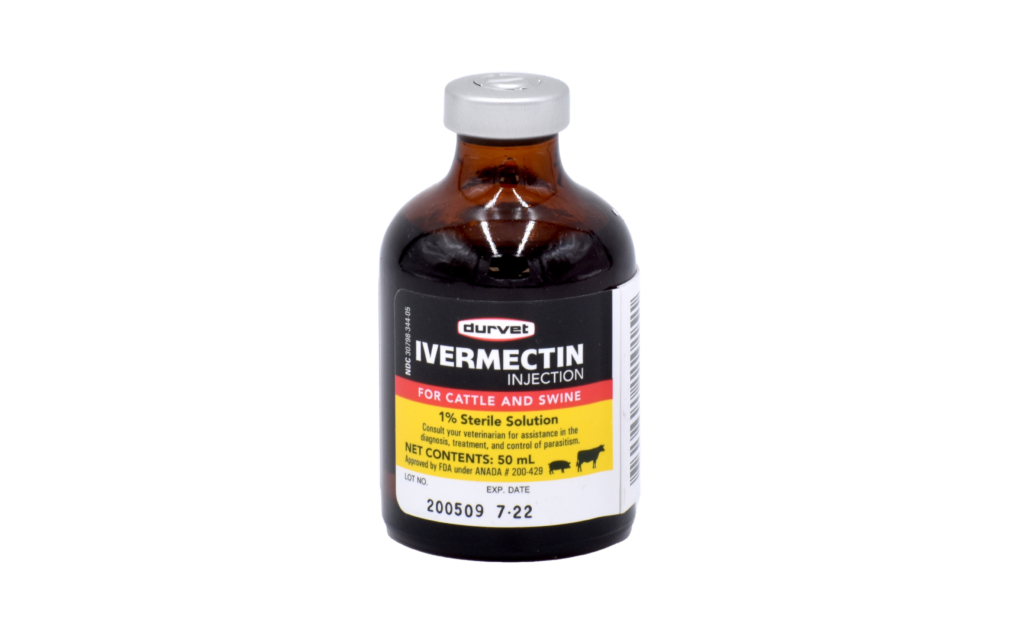
Veterinarians rely on ivermectin injections for a variety of purposes. Here are the most common scenarios where this medication becomes a lifesaver:
1. Treating Internal Parasites Like Worms
Internal parasites, especially gastrointestinal worms, can cause severe health problems in livestock and pets. Weight loss, diarrhea, and poor coat condition are common symptoms. Ivermectin injection effectively targets these internal parasites, improving the overall health and productivity of animals.
Farmers often include ivermectin as part of a regular deworming program. This keeps cattle, goats, and sheep healthy, which is essential for meat and milk production. Without proper parasite control, animals can suffer nutritional deficiencies, leading to economic losses for farmers.
2. Eliminating External Parasites Like Mites and Lice
Mange mites and lice infestations are not only uncomfortable but also harmful. They cause itching, skin infections, and in severe cases, anemia. Ivermectin injections provide a quick and effective solution by killing these parasites and giving animals relief within days.
This benefit is particularly important for pets like dogs, which can develop mange. While topical treatments exist, injections are preferred for widespread infestations where other treatments fail.
3. Heartworm Prevention in Dogs
Heartworm is a life-threatening condition in dogs caused by parasitic worms living in the heart and blood vessels. While oral medications are common, some veterinarians use injectable ivermectin in special cases to prevent or treat heartworm disease.
However, because heartworm treatment is delicate, veterinarians must carefully manage the dosage. Giving too much ivermectin can lead to toxicity, which can be fatal in dogs. That’s why it’s never safe to inject your pet without expert advice.
Dosage and Administration: What You Must Know
Getting the Dosage Right Is Critical
The correct dosage of ivermectin depends on the animal’s weight, species, and overall health. Overdosing can cause severe side effects, including tremors, loss of coordination, and even death in extreme cases. That’s why the injection is almost always given by a veterinarian rather than pet owners or farmers.
For cattle, the standard dosage is around 200 mcg/kg, but this can vary. In dogs, the dose is much lower and must be carefully calculated to avoid toxicity. Certain breeds, like Collies and Australian Shepherds, are highly sensitive to ivermectin and can experience toxic reactions even at normal doses.
How Is It Administered?
Ivermectin injection is usually given subcutaneously (under the skin) or intramuscularly, depending on the species and condition being treated. The injection site should be clean to prevent infection, and the drug must be stored properly to maintain effectiveness.
Never attempt to give the injection without proper training. Misadministration can lead to abscesses, infection, or incorrect dosing, which could harm your animal.
Frequency of Treatment
How often should you use ivermectin injections? It depends on the parasite load and risk of reinfection. Farmers often follow a seasonal deworming schedule, while pets may only need treatment during specific infestations. Always consult a veterinarian before deciding on the treatment frequency.
Is Ivermectin Injection Safe for Humans? The Truth You Need to Hear
Here’s the straight answer: ivermectin injections are not recommended for human use unless prescribed by a qualified doctor for specific parasitic conditions. Most human treatments use oral tablets, which are safer and easier to dose accurately.
Injecting ivermectin in humans without medical supervision is dangerous and can lead to serious side effects. These include dizziness, nausea, low blood pressure, seizures, and in severe cases, coma. In short, do not self-medicate with ivermectin injections.
If you suspect a parasitic infection, see a healthcare professional. They will recommend the right form and dosage, ensuring safety and effectiveness.
Side Effects and Precautions You Can’t Ignore
While ivermectin injections are generally safe for animals when given correctly, side effects can occur. Common reactions include mild swelling at the injection site, temporary lethargy, and loss of appetite. These usually resolve on their own.
However, more serious side effects can happen if the dose is too high. These include:
- Neurological symptoms (tremors, seizures)
- Blindness (rare but reported in overdose cases)
- Collapse or death in extreme situations
To minimize risk, always follow these precautions:
- Never use ivermectin injections in animals without vet guidance.
- Check breed sensitivity before administration (especially in dogs).
- Store the medication properly and check the expiry date.
Where to Buy Ivermectin Injection and What to Watch Out For
You can purchase ivermectin injections from veterinary pharmacies or licensed online suppliers. However, be cautious of counterfeit products, especially when buying online. Fake medications can be ineffective or harmful.
Always buy from trusted sources and check packaging for authenticity. If in doubt, consult your veterinarian before using any product on your animals.
Final Thoughts: Should You Use Ivermectin Injection?
Ivermectin injection is a powerful tool in the fight against parasites, especially for livestock and pets. When used correctly, it improves animal health, boosts productivity, and prevents life-threatening conditions.
However, with great power comes great responsibility. This medication is not a DIY solution. Incorrect dosing or improper use can lead to severe consequences, even death. Always consult a veterinarian before using ivermectin injections.
If you’re looking for an effective parasite control option, ivermectin can be a game-changer—but only when handled by experts.

