
Meta Description: Discover everything you need to know about protein powder—its benefits, types, uses, and how to choose the right one. This complete guide makes protein powder easy to understand for fitness beginners and pros alike.
Introduction: Why Protein Powder Has Taken Over Kitchen Shelves
Walk into any gym locker room or seriously, just take a stroll down the aisle at your local grocery store—and you’ll spot them right away: those beefy tubs of protein powder just begging for attention. Everybody and their grandma seems to be mixing one up these days. Honestly, protein powder isn’t just for those flexing biceps in Gold’s Gym anymore.
People use it for all sorts of reasons: building muscle, dropping pounds, speeding up recovery after leg day torture, or just patching up diet gaps because nobody’s eating grilled chicken every meal. But jeez, the shelves are packed with so many brands and weird-sounding types that it kinda feels like you need a protein powder PhD just to choose one.
So here’s what’s up—let’s actually dig into this powder party. I’ll spill on what’s good, what to dodge, tricks for using it, and the stuff nobody ever bothers to warn you about. By the end, you won’t get bamboozled standing in front of a wall of neon-labeled tubs.
Alright, So What IS Protein Powder Exactly?
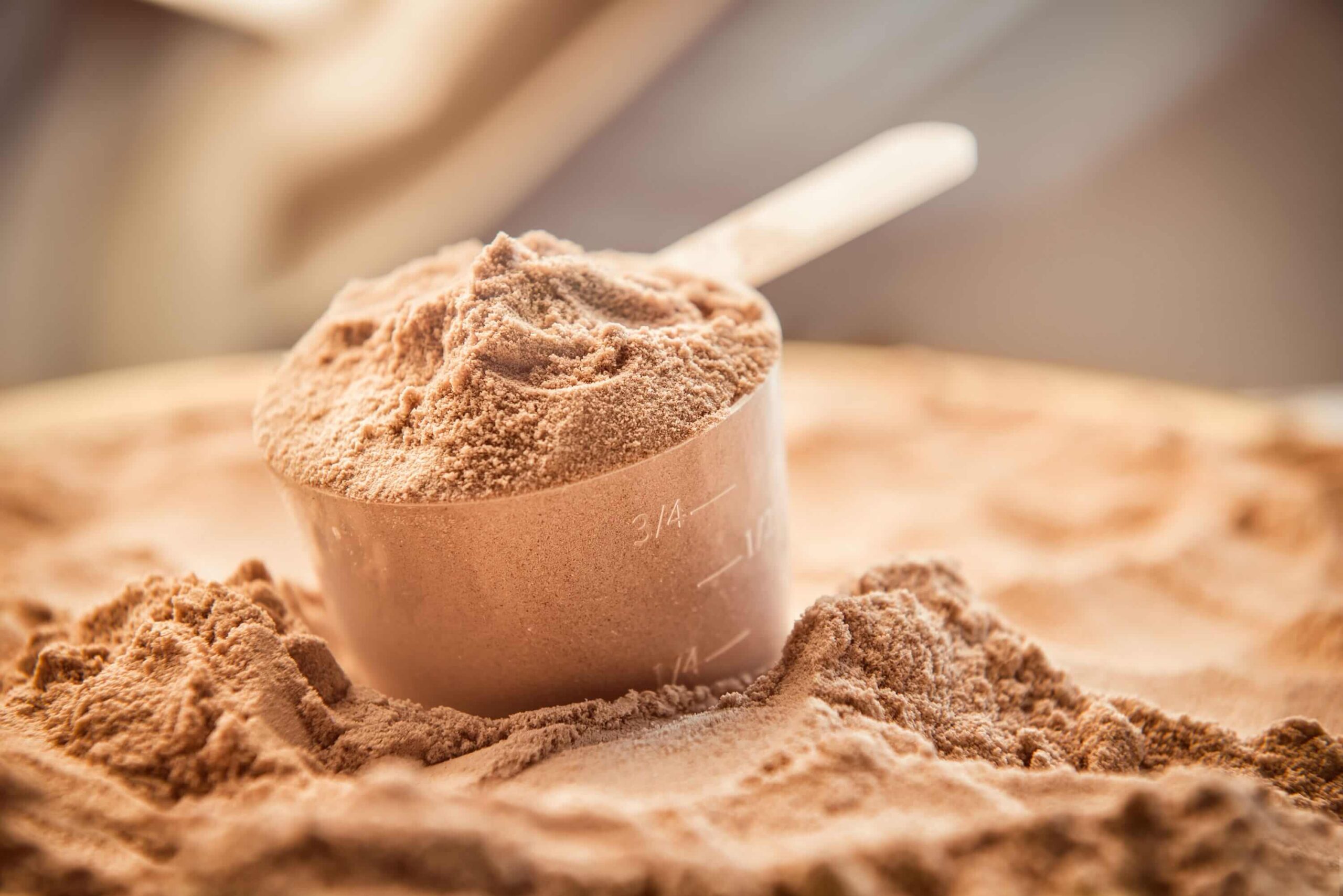
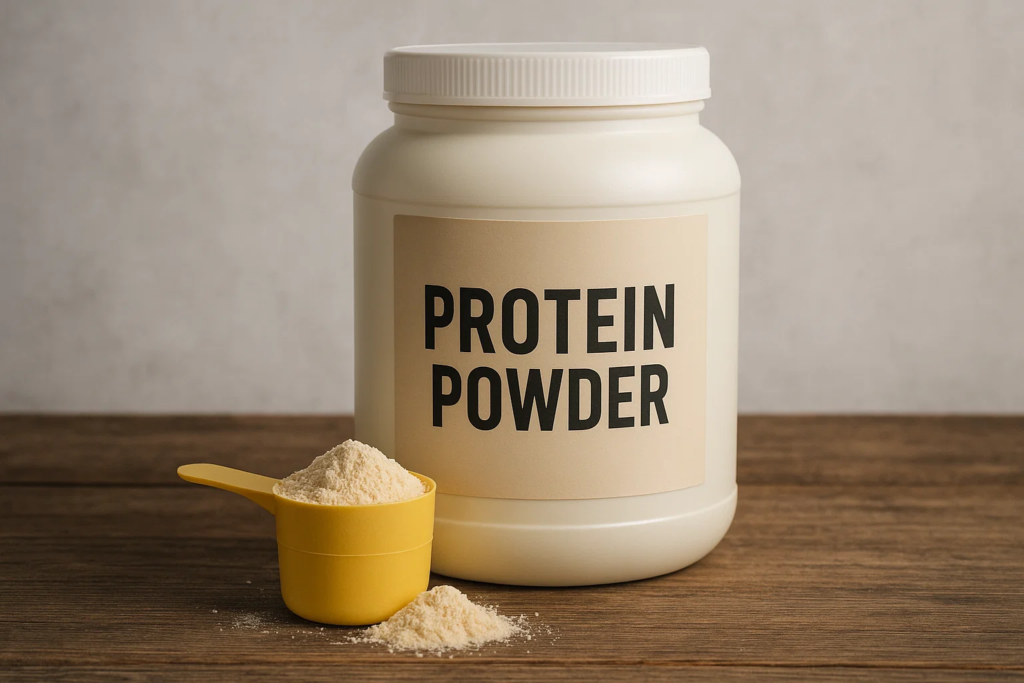
Long story short, it’s concentrated protein that’s been zapped, processed, and turned into a fine powder. You mix it with water or milk (or like, whatever liquid floats your boat), or chuck it in a smoothie. Boom, instant protein hit without scarfing three chicken breasts or enough beans to mortgage your social life.
Kinda like the cheat code for hitting protein goals without chewing your jaw off.
Big Hitters—Where Is Protein Powder Coming From?
- Dairy squad: Whey and casein from milk (warning for the lactose-sensitive)
- Plant posse: Pea, soy, hemp, or rice (vegans, this is your jam)
- Oddballs: Collagen, egg protein, and those “everything but the kitchen sink” blends
Why Bother With Protein Powder? (Yeah, Why?)
Protein’s pretty much the scaffolding for your bod. Without it, stuff breaks down. Muscles, bones, even your hair and fingernails—they’re not gonna build themselves.
Muscle Growth & Repair
After a savage workout, your muscles are basically tiny wrecked construction zones. Protein’s the fix-it crew that patches up the damage and, over time, makes stuff bigger and stronger.
Weight Control
Protein leaves you feeling satisfied, sometimes almost suspiciously full. A solid hit of protein in your morning shake can leave those empty-calorie donuts looking like sad, distant memories.
Convenience (‘Cause Who Has Time?)
Look, I don’t know about you, but the thought of prepping grilled chicken every single day makes me want to scream. Protein powder’s the ultimate shortcut—no fuss, almost zero cleanup, and about five seconds’ effort.
Types of Protein Powder—Not All Created Equal!
This is where it gets tricky, and brands aren’t exactly out here making it easier. Here’s a cheat sheet:
Whey Protein
The OG, king of post-workout recovery. Absorbs fast as heck, loaded with BCAAs for mad muscle building.
Best for: Gym rats, runners, anyone needing fast repairs
Potential downside: Rough for lactose-intolerant folks—proceed with caution
Casein Protein
Slow release, baby. Great for sipping before bed so your muscles don’t starve while you’re drooling on the pillow.
Best for: Overnight gains
Potential downside: Same lactose drama as whey
Plant-Based (Pea, Soy, Hemp, Rice)
Vegans, vegetarians, the lactose-averse—here’s your alley. If you go for a blend, you’ll actually get a solid amino acid profile, so nothing’s missing.
Best for: Animal-free eaters
Potential downside: Some taste like lawn clippings, not gonna lie
Collagen
Not about muscle gains, but super for glowing skin, shiny hair, creak-free joints.
Best for: Beauty buffs, joint warriors
Potential downside: Way lower on the muscle-building scale
So How Much Should You Be Throwing Back?
Classic gym bro question. Most folks shoot for 0.8 to 1.6 grams of protein per kilogram of bodyweight daily. Athletes might even push it toward 2 grams.
Let’s do some back-of-the-napkin math: If you weigh 154 lbs (about 70 kg), you’re gunning for 56 to 112 grams protein a day. If you hit 70 grams with real food, that scoop of powder boosts you right into the sweet zone.
Fun Ways to Use Protein Powder (Other Than Your Boring Shake)
You know you don’t have to just chug it with water, right? Get creative:
- Smoothies: Bananas, PB, oats, almond milk—hell yeah.
- Pancakes: Add a scoop to your batter. You’ll barely taste it, but your muscles will.
- Overnight oats: Dump a scoop in with chia, berries, nut butter. Wake up to breakfast already made.
- Baking: Muffins, brownies, even bread. Upgrade your treats, zero guilt.
Common Rookie Mistakes
Don’t fall for these, alright?
- Using ONLY powder. Real food still matters. Don’t turn into that annoying person who only eats out of tubs.
- Not reading labels. Sugar bombs, weird chemicals, mystery fillers—skip those.
- Overdoing it. More protein does NOT equal more muscle—just more work for your kidneys.
- Blowing off timing. Slam some protein 30–60 mins post-workout for max gains.
Picking Your Perfect Protein Powder
And that’s the gist—now you can actually walk into a supplement store and not freeze like a deer in headlights.

