
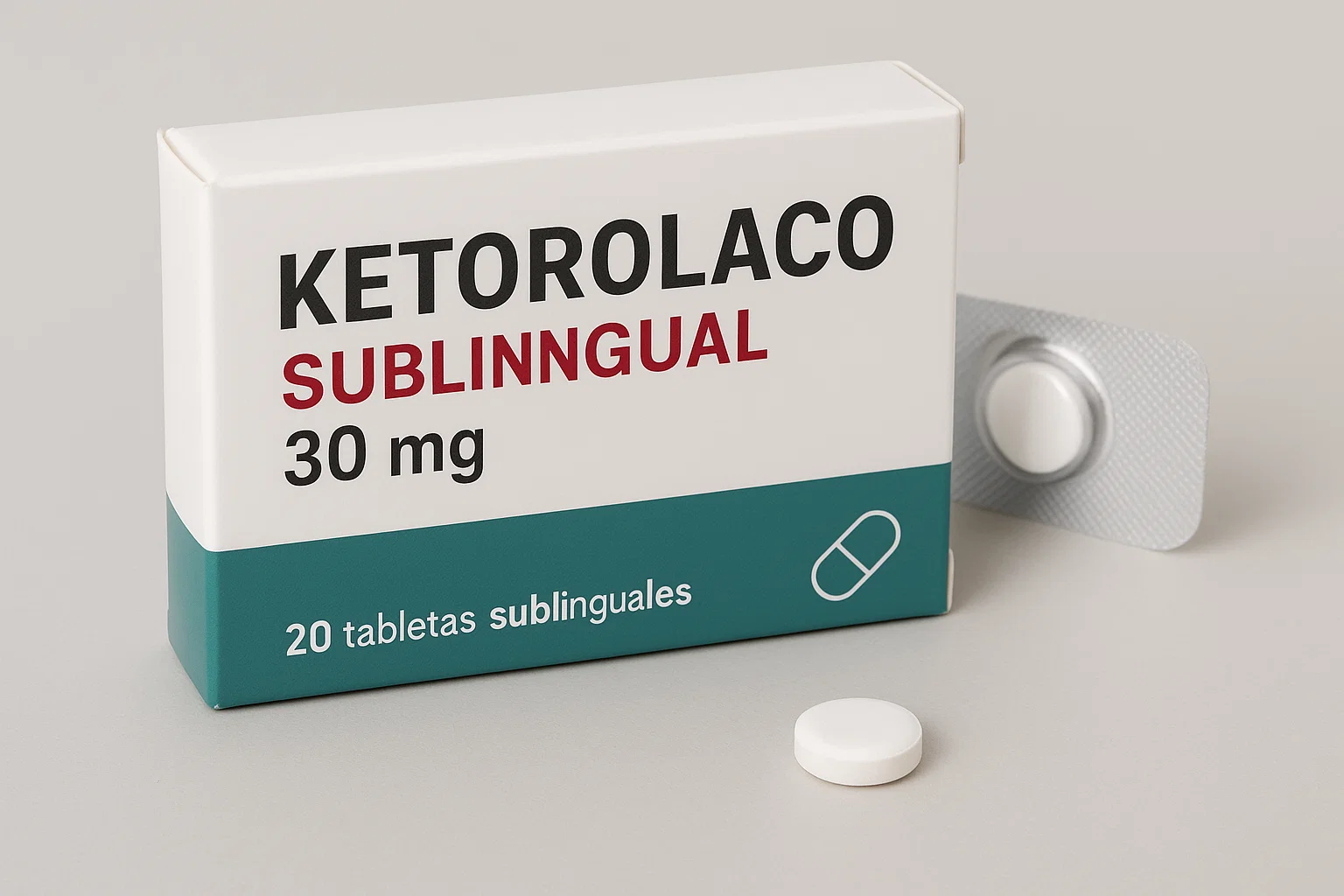
introduction to ketorolaco sublingual
If you’ve ever experienced intense pain after surgery, dental procedures, or injuries, your doctor may have mentioned Ketorolaco Sublingual as an option. This medication is a non-steroidal anti-inflammatory drug (NSAID) that offers quick pain relief by working under the tongue. Unlike traditional tablets, its sublingual form ensures faster absorption, making it ideal when you need relief quickly.
Ketorolaco sublingual is particularly popular in hospital settings, post-surgery recovery, and even for short-term pain management at home (when prescribed). Because it bypasses the stomach and goes directly into the bloodstream through the sublingual tissue, patients often report quicker onset of action compared to oral tablets.
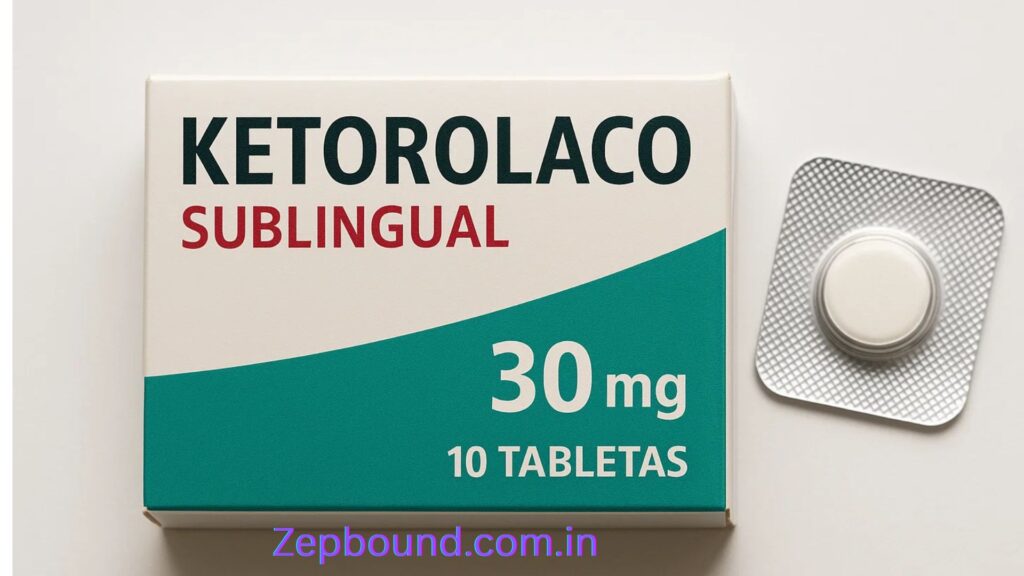
This article will walk you through everything you need to know: what ketorolaco sublingual is, how it works, its recommended dosage, potential side effects, safety precautions, and whether it’s the right choice for you. By the end, you’ll have a clear understanding of how to use it effectively and safely — or when to consult your doctor for alternatives.
What is Ketorolaco Sublingual?
Ketorolaco sublingual is simply ketorolac tromethamine formulated as a sublingual tablet. Ketorolac belongs to the NSAID family, meaning it reduces pain, inflammation, and fever by blocking prostaglandins — the chemical messengers responsible for pain and swelling.
The sublingual delivery system is what sets this medication apart. Instead of swallowing a pill and waiting for it to pass through your digestive system, you place it under your tongue where it dissolves and absorbs directly into your bloodstream. This can result in relief within 15–30 minutes, much faster than standard oral formulations.
Doctors prescribe ketorolaco sublingual for moderate to severe acute pain, especially after surgeries like dental extractions, orthopedic procedures, or C-section deliveries. It is not intended for chronic pain or long-term use because prolonged NSAID use can affect the kidneys, stomach, and cardiovascular system.
How Ketorolaco Sublingual Works
Fast Absorption for Faster Relief
The biggest advantage of ketorolaco sublingual is its rapid onset. Because it bypasses the digestive tract, you don’t lose potency during the first-pass metabolism in the liver. This means the medication remains more bioavailable, giving you stronger pain relief with a smaller dose.
Blocking Pain at Its Source
Once absorbed, ketorolac inhibits cyclooxygenase (COX-1 and COX-2) enzymes, stopping prostaglandin production. This process reduces inflammation, swelling, and pain sensitivity, making it especially useful for acute post-operative pain where inflammation is a major contributor.
Short-Term, Targeted Use
Ketorolaco is designed for short-term use (usually 2–5 days). Its goal is to manage the peak pain period following surgery or injury, after which milder medications or natural healing can take over. Using it longer than prescribed may increase the risk of stomach ulcers, bleeding, and kidney strain.
Recommended Dosage and Administration
Doctors typically prescribe 10 mg sublingual ketorolaco every 4–6 hours, depending on the severity of pain. The maximum daily dose usually does not exceed 40 mg per day for oral/sublingual use.
Here’s how to use it correctly:
- Place the tablet under your tongue and allow it to dissolve completely.
- Do not chew or swallow immediately — let it absorb naturally.
- Avoid eating or drinking for a few minutes to allow maximum absorption.
Your doctor will determine the appropriate dose based on factors like your age, weight, pain level, and kidney function. Elderly patients or those with kidney concerns are often prescribed lower doses.
Benefits of Ketorolaco Sublingual
- Rapid Pain Relief – Perfect for post-surgical pain or dental procedures.
- Non-Opioid Option – Reduces the need for narcotics and their addictive risks.
- Convenient & Non-Invasive – No need for injections or waiting hours for pills to work.
- Cost-Effective – Generally cheaper than many opioid pain relievers or newer pain medications.
Many patients prefer ketorolaco sublingual because it allows them to get back to daily activities faster, with fewer groggy side effects compared to opioids.
Possible Side Effects and Precautions
Like any medication, ketorolaco sublingual has potential side effects. Common ones include:
- Upset stomach or mild nausea
- Dizziness or headache
- Slight burning sensation under the tongue
More serious (but less common) risks include:
- Stomach ulcers or gastrointestinal bleeding
- Kidney strain or reduced kidney function
- Increased risk of bleeding (especially after surgery)
- Cardiovascular risks with prolonged use
Precautions
- Avoid if you have a history of stomach ulcers, kidney disease, or severe heart conditions.
- Inform your doctor if you are pregnant, breastfeeding, or taking blood thinners.
- Never combine with other NSAIDs (like ibuprofen, aspirin, diclofenac) unless your doctor advises.
Practical Tips for Safe Use
- Follow the prescription strictly. Taking more than recommended does not increase pain relief — it just raises the risk of side effects.
- Stay hydrated to support kidney health while using NSAIDs.
- Report unusual symptoms like black stools, severe stomach pain, or swelling in legs immediately.
- Combine with rest and recovery practices (ice packs, physiotherapy, proper diet) for best results.
Conclusion
Ketorolaco sublingual is an effective, fast-acting, and convenient option for managing moderate to severe short-term pain. Its ability to bypass the digestive system and deliver quick relief makes it a valuable choice for post-surgical recovery and other acute pain scenarios.
However, it’s crucial to use it responsibly, under medical supervision, and only for the recommended duration. When used correctly, it can significantly improve comfort, help you return to normal activities faster, and reduce reliance on stronger, habit-forming painkillers
FAQs About Ketorolaco Sublingual
1. What is Ketorolaco Sublingual used for?
It is mainly used for short-term management of moderate to severe pain after surgeries, injuries, or dental procedures.
2. How quickly does Ketorolaco Sublingual work?
It usually starts working within 15–30 minutes because it is absorbed directly into the bloodstream through the tissues under your tongue.
3. Can I take Ketorolaco Sublingual with food or other medicines?
Food is not required since it bypasses the stomach, but you should avoid combining it with other NSAIDs or alcohol unless your doctor approves.
4. Is Ketorolaco Sublingual safe for everyone?
No. People with stomach ulcers, kidney disease, severe heart conditions, or bleeding disorders should avoid it unless a doctor says otherwise.
5. How long can I take Ketorolaco Sublingual?
Most doctors recommend using it for no longer than 2–5 days to minimize risks of side effects.
6. Is Ketorolaco Sublingual addictive?
No, it is not habit-forming like opioids, making it a safer choice for short-term pain relief.
7. Can I drive after taking Ketorolaco Sublingual?
It usually does not cause drowsiness, but if you feel dizzy, avoid driving or operating heavy machinery until you feel stable.
Also read : ketorolaco 10 mg


One thought on “Ketorolaco Sublingual: What It Is Use and Benefits 2025”