
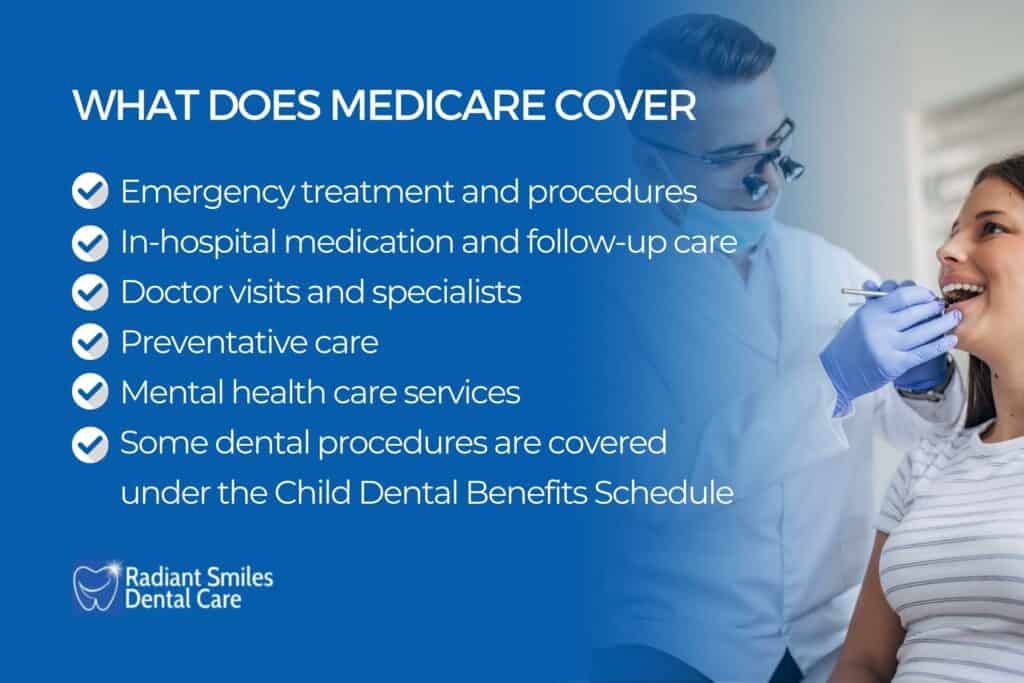
Meta description: Does Medicare cover dental care for seniors? Learn what Original Medicare covers, what it does not cover, how Medicare Advantage plans work, typical costs, and how you can find affordable dental care.
Introduction to does medicare cover dental
Care affects your overall health. Missing coverage can lead to pain and higher medical bills. This article explains what Medicare covers. It shows options and costs. It helps you compare plans and find savings.
H2: What Original Medicare Covers
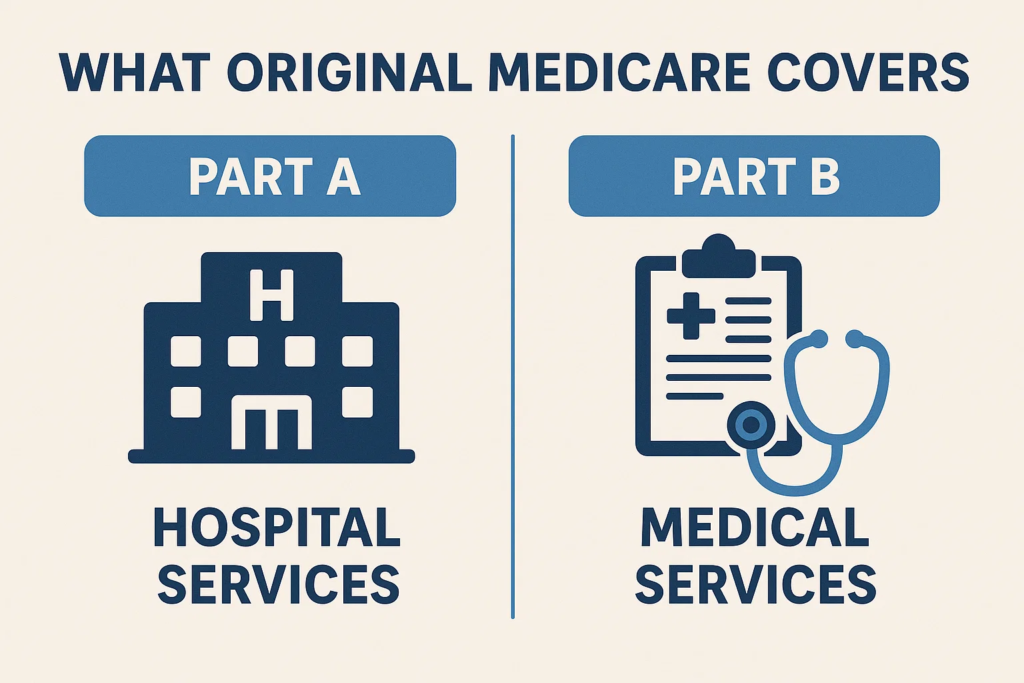
Original Medicare means Part A and Part B. It covers hospital care and doctor visits. It covers medically necessary services during a hospital stay related to jaw surgery or head and neck cancer. It may cover services that are part of another covered medical procedure, when the work is integral to the medical treatment. For routine care, Original Medicare usually does not pay.
Examples where Medicare may pay:
• Tooth extraction needed during a covered hospital surgery.
• Dental work required for a covered organ transplant or cancer treatment.
These are narrow exceptions. Expect to show medical records and claims that link the dental service to the covered medical procedure.
H2: What Original Medicare Does Not Cover
Original Medicare generally does not cover:
• Routine exams.
• Cleanings.
• Fillings.
• Extractions for routine reasons.
• Dentures and implants.
If you rely only on Original Medicare, you will likely pay full price for most care.
H2: Medicare Advantage Plans With Dental Coverage
Advantage plans are offered by private insurers. Many Advantage plans include benefits as part of the plan. Benefits vary by plan and by state. Some plans fully cover preventive care in-network. Other plans offer partial coverage for fillings, crowns, and dentures. Always read the plan’s Evidence of Coverage to know limits, waiting periods, and annual maximums.
Points to check when you compare Medicare Advantage dental benefits:
• Annual maximum benefit for services.
• Whether preventive care is covered at 100% in network.
• Coverage tiers for basic and major services.
• Waiting periods for major procedures.
• Which dentists are in-network.
The American Association and consumer advocates warn that advertised benefits can be confusing. Do not assume full coverage. Read the fine print.
H2: Costs and Coverage Details
Typical out-of-pocket costs vary a lot. Routine exam and cleaning may cost $50 to $350 without insurance. Fillings often range from about $200 to $900. Root canals often cost around $1,000. Crowns can cost $800 to $2,000 or more per tooth. Dentures and implants cost much more. These are national averages and vary by location and provider.
How Medicare Advantage plans handle costs:
• Preventive visits may be free in network.
• Basic procedures may require a copay or coinsurance.
• Major procedures may have lower reimbursement or be excluded.
• Plans may place annual caps, for example $1,000 or $2,000.
Ask the plan for sample member cost scenarios. That reveals likely out-of-pocket expenses.
Examples to illustrate:
• If a crown costs $1,200 and your plan covers 50% after a deductible, you pay about $600.
• If a root canal costs $1,100 and your plan denies coverage for that service, you pay $1,100.
These examples show how coverage rules and percentages change final costs. Check plan documents for exact numbers.
H2: Practical Tips for Finding Affordable Dental Care
- Compare plans, do not assume equality.
• Compare annual maximums, copays, and waiting periods.
• Review the provider network and in-network fees. - Consider a Medicare Advantage plan if you need regular dental care.
• Many MA plans add dental benefits.
• Balance monthly premium against expected dental costs. - Look for standalone dental plans.
• Private dental insurance or dental discount plans can fill gaps.
• AARP and major insurers sell dental plans aimed at seniors. - Use community resources.
• Dental schools often offer lower-cost care.
• Community clinics and nonprofit programs can help with costs. - Ask your dentist about payment options.
• Many practices offer payment plans or sliding scales.
• Request a written estimate before major work.
• Preventive visits cost less than major procedures.
• Early treatment can prevent more expensive problems later. - Double-check claims and denials.
• If Medicare denies a dental-related medical claim, appeal.
• Keep clear records linking dental services to medical necessity when applicable.
Conclusion
Original Medicare does not usually cover routine care. Medicare covers certain services only when they tie directly to covered medical treatments. If you need care, explore Advantage plans, standalone policies, community clinics, and schools. Compare plan documents, check networks, and get cost estimates. Plan ahead so you can avoid surprise bills.
Key resources
Medicare coverage details and examples are on the official Medicare site. For plan comparisons and Evidence of Coverage, use Medicare plan finder and plan documents.
Also read : does medicare cover dental


Thanks for sharing. I read many of your blog posts, cool, your blog is very good.
Can you be more specific about the content of your article? After reading it, I still have some doubts. Hope you can help me. https://accounts.binance.info/en/register?ref=JHQQKNKN
Your point of view caught my eye and was very interesting. Thanks. I have a question for you. https://www.binance.com/fr/register?ref=T7KCZASX
Thank you for your sharing. I am worried that I lack creative ideas. It is your article that makes me full of hope. Thank you. But, I have a question, can you help me?
Thanks for sharing. I read many of your blog posts, cool, your blog is very good.
Your point of view caught my eye and was very interesting. Thanks. I have a question for you.
I don’t think the title of your article matches the content lol. Just kidding, mainly because I had some doubts after reading the article.