
Introduction to does united healthcare cover zepbound for weight loss
Many patients are asking the question, does UnitedHealthcare cover Zepbound for weight loss. Zepbound is a new medication approved by the FDA for treating obesity. It has gained attention because of its ability to help patients lose significant weight when diet and exercise alone are not enough. Insurance coverage for this drug is a major concern, as the retail price can be very high.
UnitedHealthcare is one of the largest health insurance providers in the United States. Its policies on covering weight loss medications can impact millions of patients. Coverage is not the same for all members, and requirements like prior authorization often apply. Understanding how this works can help patients prepare before starting treatment.
| Coverage Factor | Details |
|---|---|
| Plan Type | Commercial, Medicare Advantage, Medicaid (varies by state and policy) |
| Coverage Status | Often available on preferred drug list in 2025, but not guaranteed |
| Prior Authorization | Required, typically valid for 12 months after approval |
| Eligibility Criteria | BMI ≥ 30, or BMI ≥ 27 with related conditions (diabetes, hypertension) |
| Medicare Coverage | Usually excluded for weight loss, but possible for sleep apnea |
| Medicaid Coverage | Varies by state and plan under UnitedHealthcare |
| Out-of-Pocket Cost | $1,000+ per month without coverage |
| Appeal Options | Yes, patients can appeal denied requests |
| Alternatives Covered | Wegovy, Saxenda, Ozempic (off-label), phentermine combinations |
What is Zepbound?
Zepbound is the brand name for tirzepatide, a medication originally designed for type 2 diabetes. It acts as a dual agonist of GLP-1 and GIP receptors, hormones that help regulate appetite, blood sugar, and metabolism. By mimicking these hormones, Zepbound reduces hunger and slows digestion, leading to weight loss. Patients typically receive it as a weekly injection under medical supervision.
The FDA approved Zepbound for chronic weight management in adults with obesity or overweight who also have related health conditions. This approval placed it alongside other weight loss drugs like Wegovy and Saxenda. Its effectiveness has made it popular among patients and physicians. However, high demand and cost have raised questions about insurance coverage.
Benefits of Zepbound
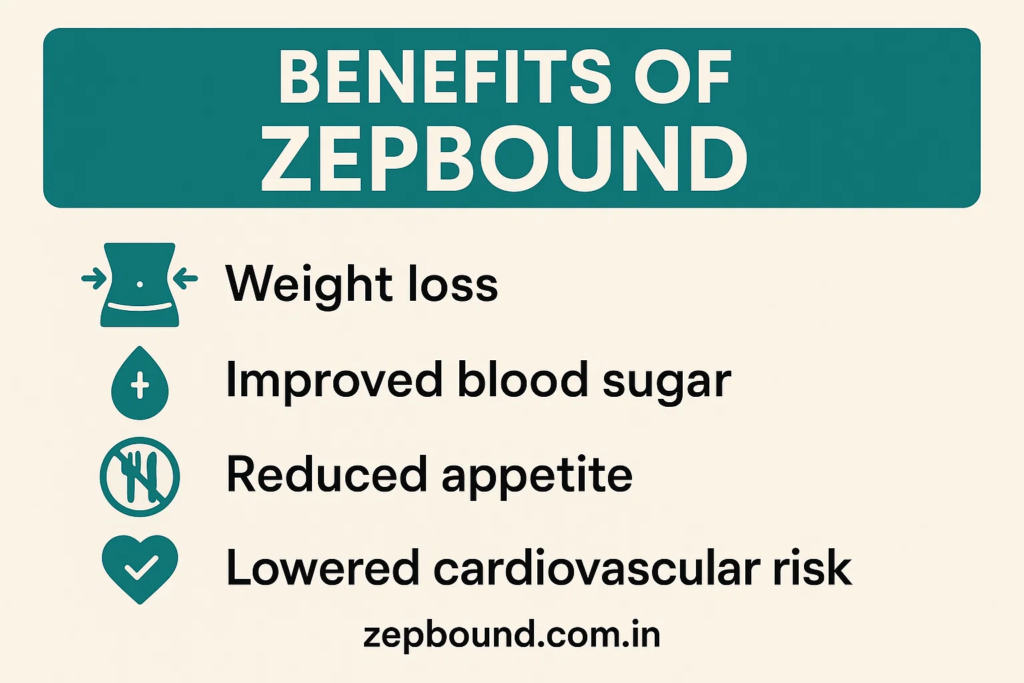
The benefits of Zepbound extend beyond simple weight loss. Clinical trials showed that patients could lose more than 15 percent of their body weight within a year of treatment. This level of weight reduction is significant compared to most other weight loss drugs available. Losing this much weight can lower the risk of diabetes, heart disease, and high blood pressure.
Another benefit is improvement in quality of life. Patients often report feeling more energetic and motivated to stay active. The drug can also reduce waist circumference, improve cholesterol, and help regulate blood sugar. For patients with obesity-related conditions, Zepbound provides more than just cosmetic results, it helps improve long-term health outcomes.
Uses of Zepbound
The primary use of Zepbound is for weight loss in adults who meet specific medical criteria. Doctors usually prescribe it for patients with a body mass index (BMI) of 30 or higher, or a BMI of 27 or higher with at least one obesity-related health condition. These conditions include high blood pressure, high cholesterol, or type 2 diabetes.
Beyond weight loss, Zepbound may also be considered for conditions where obesity is a major factor. For example, the FDA recently approved tirzepatide for obstructive sleep apnea in patients with obesity. While the main purpose remains weight management, ongoing research suggests the drug could have broader applications in managing chronic diseases linked to excess body weight.
Risks and Side Effects
Like all medications, Zepbound carries risks. The most common side effects include nausea, vomiting, diarrhea, constipation, and stomach discomfort. These usually occur during the early stages of treatment as the body adjusts to the drug. For many patients, side effects lessen over time, but some may find them too uncomfortable to continue.
Serious side effects are rare but possible. These include pancreatitis, gallbladder disease, kidney injury due to dehydration, and allergic reactions. Studies in animals suggest a possible link to thyroid tumors, though this has not been proven in humans. Because of these risks, patients with certain medical histories should avoid the drug. Doctors usually evaluate each case carefully before prescribing Zepbound.
Dosage and Administration
Zepbound is given as a subcutaneous injection, usually once per week. The treatment begins with a low dose to minimize side effects. Over several weeks, the dosage is gradually increased until the patient reaches a maintenance dose. This step-up approach is designed to give the body time to adapt to the medication.
Patients are trained to administer the injection themselves at home. Common injection sites include the abdomen, thigh, or upper arm. Sticking to a consistent schedule is important to maintain stable results. Skipping doses or using the drug inconsistently can reduce its effectiveness. Always follow a doctor’s instructions closely, as dosage adjustments are based on individual response and tolerance.
Coverage by UnitedHealthcare
The central question remains: does UnitedHealthcare cover Zepbound for weight loss. The answer is complex. UnitedHealthcare has added Zepbound to its preferred drug list under many commercial and government plans starting in 2025. However, coverage still depends on the specific plan, state regulations, and medical necessity.
Most UnitedHealthcare plans require prior authorization before covering Zepbound. This means your doctor must provide medical evidence, such as BMI, weight history, and related health conditions. Some plans may also apply step therapy rules, requiring patients to try other treatments before Zepbound is approved. Medicare and Medicaid plans under UnitedHealthcare may offer coverage in certain cases, but exclusions remain common.
How to Increase Your Chances of Approval
If you want Zepbound coverage, preparation is key. Work closely with your physician to gather detailed medical documentation. This includes your BMI, health conditions related to obesity, and proof of previous weight loss attempts. The stronger your case, the more likely UnitedHealthcare will approve your request.
If your request is denied, do not give up. UnitedHealthcare allows appeals, where you can provide additional information or request a peer-to-peer review with a medical director. Some patients succeed after multiple appeals. Staying persistent and organized improves your chances of getting the medication covered, especially if your doctor strongly supports your need for treatment.
Cost if Not Covered
If your plan does not cover Zepbound, the cost can be a major barrier. Without insurance, the drug can cost well over $1,000 per month. For many patients, this makes long-term use unrealistic. Manufacturer coupons or savings programs may reduce the cost temporarily, but they rarely cover the full expense.
Some patients seek out alternative insurance plans during open enrollment that specifically list Zepbound as a covered drug. Others turn to different medications that are less expensive or more widely covered. Discussing financial assistance options with your healthcare provider or pharmacist can also help reduce the out-of-pocket burden.
Alternatives to Zepbound
If Zepbound is not covered, several alternatives exist. Wegovy (semaglutide) is another GLP-1 receptor agonist widely prescribed for weight loss. Saxenda (liraglutide) is another injectable option, though it requires daily administration. Ozempic, while not FDA-approved for weight loss, is sometimes prescribed off-label.
Beyond prescription drugs, lifestyle interventions remain important. Diet changes, increased physical activity, and behavioral therapy can improve results. In more severe cases, bariatric surgery may be considered. Each alternative has its own risks, benefits, and coverage rules. Working with your doctor helps identify the best strategy if Zepbound is not an option.
Summary
So, does UnitedHealthcare cover Zepbound for weight loss. In many cases, yes, but it depends on your specific plan and whether you meet eligibility requirements. Prior authorization is usually required, and some plans may still exclude coverage for weight loss drugs. Medicare coverage remains limited, except when Zepbound is prescribed for sleep apnea or another approved condition.
Patients should prepare detailed medical documentation and be ready to appeal if denied. If coverage is unavailable, alternatives exist, but cost remains a challenge. Zepbound represents a powerful option for weight management, but insurance approval is not guaranteed.
FAQ
Does UnitedHealthcare always cover Zepbound for weight loss?
No. Coverage depends on your plan, state, and meeting medical criteria.
What steps improve approval chances?
Detailed medical records, prior weight loss attempts, and physician support can increase approval odds.
Does Medicare cover Zepbound for weight loss?
Medicare does not usually cover weight loss drugs, but may cover Zepbound for sleep apnea.
What are alternatives if coverage is denied?
Wegovy, Saxenda, Ozempic, and lifestyle changes are common options when Zepbound is not covered.
Also read : What Does Medicare Part B Cover


Can you be more specific about the content of your article? After reading it, I still have some doubts. Hope you can help me. https://accounts.binance.info/register-person?ref=IXBIAFVY
Your point of view caught my eye and was very interesting. Thanks. I have a question for you. https://accounts.binance.info/zh-TC/register-person?ref=DCKLL1YD
Your article helped me a lot, is there any more related content? Thanks!