
Risk Management and Surgical Protocols
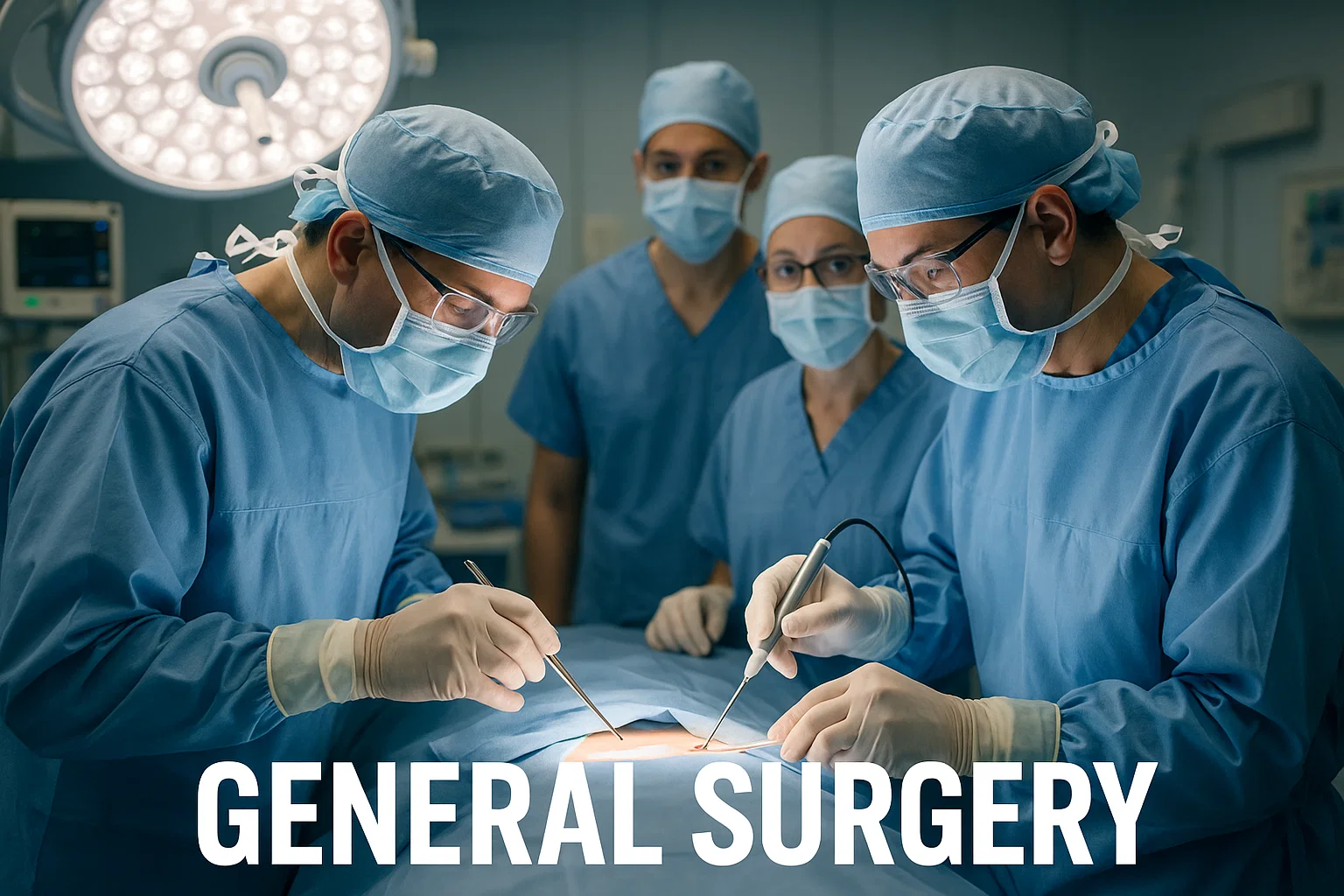
Managing risks is integral to every general surgery procedure. Surgeons adhere to stringent surgical protocols, including sterile techniques, patient safety checklists, and continuous monitoring. These measures are designed to prevent complications such as infections, hemorrhage, and adverse anesthetic reactions. A multidisciplinary team approach ensures comprehensive patient care and timely intervention if issues arise.
Pre-operative risk stratification helps identify high-risk patients, allowing for tailored interventions and enhanced surveillance. Post-operative protocols include pain management, early mobilization, and vigilant monitoring for signs of complications. Continuous training and adherence to evidence-based guidelines significantly mitigate surgical risks. This systematic approach ensures patient safety remains the highest priority in general surgery.
Recovery and Post-Surgical Care
Recovery following general surgery is a critical phase for optimal healing and long-term success. Post-surgical care plans are individualized, focusing on pain control, wound care, and managing potential complications. Early ambulation is often encouraged to prevent deep vein thrombosis and promote faster recovery. Nutritional support and hydration are also vital during this period.
Patients receive detailed instructions for home care, including medication schedules, activity restrictions, and signs of concern requiring medical attention. Follow-up appointments are scheduled to monitor recovery progress and address any lingering issues. Comprehensive rehabilitation, if needed, assists patients in regaining full function and returning to their normal activities.
Emerging Trends in Surgical Interventions
The future of general surgery is characterized by exciting emerging trends. Enhanced Recovery After Surgery (ERAS) protocols are gaining widespread adoption, optimizing perioperative care to accelerate recovery and reduce complications. Personalized medicine, driven by genetic profiling, is beginning to influence surgical planning, offering tailored treatments for individual patients.
Minimally invasive techniques continue to evolve, with advancements in single-port laparoscopy and natural orifice transluminal endoscopic surgery (NOTES). Artificial intelligence (AI) and machine learning are being integrated to assist in diagnosis, surgical planning, and even intraoperative decision-making. These trends promise to further elevate the standard of general surgery, making it safer and more effective.
Specialized Surgical Subspecialties
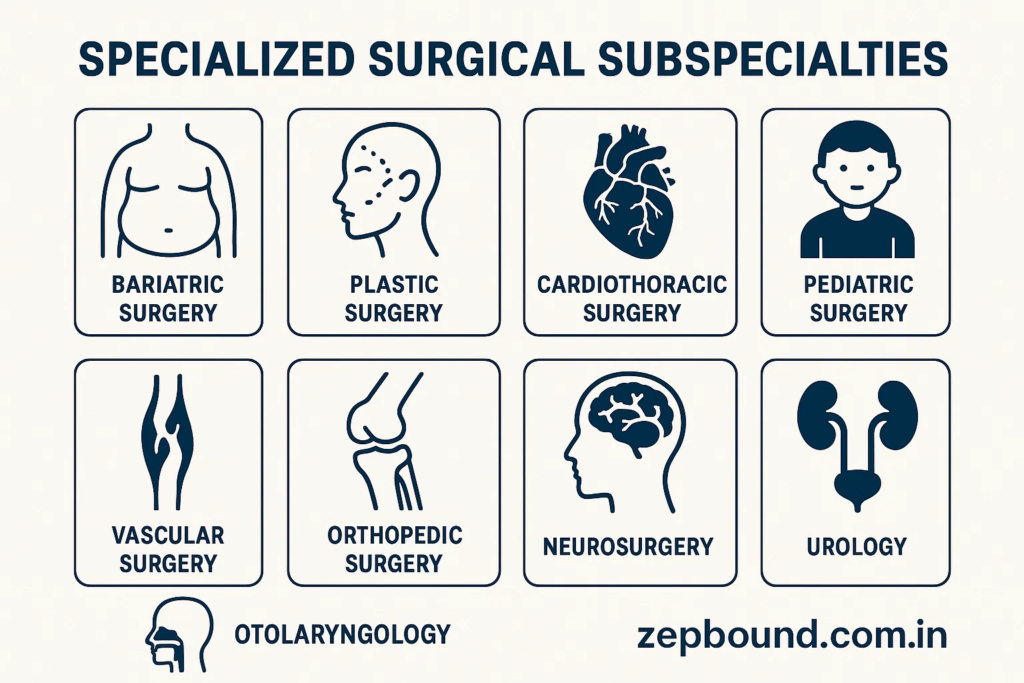
Within general surgery, several specialized subspecialties have emerged, each focusing on specific organ systems or conditions. Colorectal surgery specializes in diseases of the colon, rectum, and anus, often utilizing advanced laparoscopic and robotic techniques. Breast surgery addresses benign and malignant breast conditions, frequently collaborating with oncologists and reconstructive surgeons.
Endocrine surgery focuses on disorders of the thyroid, parathyroid, and adrenal glands, often involving delicate procedures to preserve critical structures. Trauma surgery and surgical critical care manage severely injured patients, requiring rapid assessment and life-saving interventions. These subspecialties demonstrate the breadth and depth of expertise within the field of general surgery.
Key Takeaways
- General surgery is a broad medical specialty essential for treating diverse conditions.
- Innovative techniques like laparoscopic and robotic surgery have revolutionized patient outcomes.
- Thorough patient preparation and adherence to strict protocols are crucial for minimizing risks.
- Post-surgical care is vital for effective recovery and preventing complications.
- Emerging trends like ERAS and AI are continually advancing the field of general surgery.
- Specialized subspecialties cater to specific organ systems, offering focused expertise.
FAQ Section
Q1: What conditions does a general surgeon treat?
A general surgeon treats conditions affecting the abdomen (e.g., appendicitis, gallstones, hernias), breast, thyroid, parathyroid, and skin, among others.
Q2: Is general surgery always invasive?
No, many general surgery procedures are now performed using minimally invasive techniques like laparoscopy, which involve smaller incisions and quicker recovery.
Q3: How long is the recovery period after general surgery?
Recovery varies significantly depending on the type and complexity of the procedure, ranging from a few days for minor surgeries to several weeks for major operations.
Q4: What should I expect during a surgical consultation?
You should expect a detailed discussion of your condition, the proposed surgical procedure, potential risks and benefits, alternative treatments, and post-operative expectations.
Q5: Are there any lifestyle changes required before general surgery?
Often, patients are advised to stop smoking, manage chronic conditions, and adjust certain medications as directed by their surgeon to optimize surgical outcomes.
Q6: What are the risks associated with general surgery?
Common risks include infection, bleeding, adverse reactions to anesthesia, blood clots, and organ damage, though these are minimized by stringent safety protocols.
Conclusion
General surgery remains a profoundly impactful medical discipline, continuously evolving to deliver transformative patient outcomes. Its foundation in rigorous science, combined with the adoption of cutting-edge technologies and specialized expertise, ensures that patients receive the highest standard of care. From routine interventions to complex life-saving procedures, general surgeons exemplify precision, dedication, and a commitment to improving human health. As research advances and innovative techniques emerge, the future of general surgery promises even greater safety, efficiency, and life-changing possibilities for patients worldwide. Encouraging continued medical education and research is paramount to sustaining this progress.


I saw a lot of website but I believe this one has got something special in it in it
WONDERFUL Post.thanks for share..extra wait .. …
Your point of view caught my eye and was very interesting. Thanks. I have a question for you.