
Communicable diseases pose a significant threat to public health, affecting millions worldwide. These infectious diseases can spread through various means, including direct contact with an infected individual, contaminated food and water, or through vectors like mosquitoes.
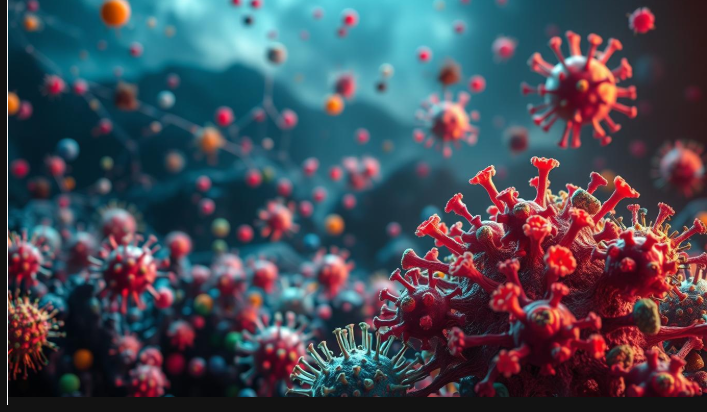
communicable disease
The impact of diseases on communities can be profound, leading to outbreaks that strain healthcare resources and economies. Understanding the nature of these diseases is crucial for developing effective prevention and control measures.
Key Takeaways
- Communicabl disease are a major public health concern globally.
- Infectious diseases can spread through various routes.
- Understanding the nature of communicable diseases is key to prevention.
- Outbreaks of communi diseases can have significant economic and health impacts.
- Effective control measures are crucial for managing communicable diseases.
What Are Communicable Diseases?
The impact of communicable on global health cannot be overstated, as they can spread rapidly and affect a large number of people. Understanding what diseases are is the first step in controlling their spread.
Definition and Basic Characteristics
Communicable diseases, also known as infectious diseases, are illnesses caused by pathogens that can be transmitted from one individual to another. These diseases can be caused by various types of pathogens.
The basic characteristics of communicable diseases include their ability to spread from an infected person to a susceptible individual through direct or indirect contact.
Disease-Causing Agents
causing agents, or pathogens, are the primary cause of communicdiseases. Bacteria, viruses, and parasites are the most common types of pathogens. For instance, bacteria cause diseases like tuberculosis, while viruses are responsible for diseases such as influenza and HIV.
How Does a Communicable Disease Spread?
The spread of communicable diseases is influenced by several transmission methods. Understanding these methods is crucial for developing effective prevention strategies.
Direct Transmission Methods
Direct transmission involves person-to-person contact, where the disease-causing agent is transferred directly from an infected individual to a susceptible host. Examples include:
- Touching or shaking hands with an infected person
- Sexual contact
- Direct contact with bodily fluids
These methods highlight the importance of personal hygiene and safe practices.
Indirect Transmission Methods
Indirect transmission occurs when the disease-causing agent is transmitted through a vector or contaminated surface. This can involve:
- Vectors such as mosquitoes or ticks
- Contaminated food or water
- Fomites (inanimate objects that carry pathogens)

disease transmission methods
Factors That Increase Transmission Risk
Several factors can increase the risk of disease transmission, including:
- Poor hygiene practices
- Crowded environments
- Lack of vaccination
By understanding these risk factors, individuals and communities can take steps to mitigate them, such as improving hygiene, avoiding crowded areas during outbreaks, and staying up-to-date with recommended vaccinations.
Common Types of Communicable Diseases and Their Prevention
Communicable diseases are a significant public health concern, and understanding their types is crucial for prevention. These diseases can be spread through various means, and knowing the common types can help in taking effective preventive measures.
Respiratory Infections
Respiratory infections, such as influenza and tuberculosis, are caused by pathogens that affect the respiratory tract. Symptoms often include coughing, sneezing, and difficulty breathing. Prevention strategies include vaccination and wearing masks to reduce transmission.
Gastrointestinal Infections
Gastrointestinal infections, caused by pathogens like norovirus and Salmonella, lead to symptoms such as diarrhea, vomiting, and abdominal pain. Proper hygiene practices, including frequent handwashing, are crucial in preventing these infections.

communicable disease prevention
Vector-Borne Diseases
Vector-borne diseases, such as malaria and dengue fever, are transmitted through vectors like mosquitoes. Symptoms can range from fever and headache to severe organ damage. Prevention involves using protective gear, such as insect repellents and mosquito nets.
Effective Prevention Strategies
Effective prevention strategies for communicable diseases include:
- Vaccination against specific diseases
- Proper hygiene practices, such as frequent handwashing
- Use of protective gear, including masks and insect repellents
By understanding the common types of communicable diseases and implementing these prevention strategies, individuals can significantly reduce their risk of infection.
Understanding and Controlling Communicable Diseases
Communicable diseases pose a significant threat to public health, necessitating a comprehensive understanding of their causes, transmission methods, and prevention strategies. As discussed, these diseases are caused by various pathogens, including bacteria, viruses, and parasites, and can spread through direct or indirect contact.
Effective disease control relies heavily on public health measures, including vaccination programs, sanitation improvements, and education campaigns. Individuals also play a crucial role by adopting preventive behaviors such as frequent handwashing, using protective gear, and staying informed about disease outbreaks.
By combining public health initiatives with individual actions, communities can significantly reduce the incidence of communicable diseases. This integrated approach not only protects vulnerable populations but also contributes to overall public health.
In conclusion, controlling communicable diseases requires a multifaceted strategy that involves both public health efforts and personal responsibility. By understanding the risks and taking proactive steps, we can mitigate the impact of these diseases and foster healthier communities.
FAQ
What is a communicable disease?
A communicable disease is an affliction that can be passed from one individual to another via all sorts of methods, including airborne viruses, direct contact, or vectors, such as mosquitoes.
How are communicable diseases spread?
Communicable diseases can be spread by direct and indirect methods. Person-to-person transmission is a direct method of transmission and touching a contaminated surface would be an indirect method of transmission. Certain communicable diseases can be spread by vectors, such as ticks and mosquitoes.
What are some common types of communicable diseases?
Some of the types of communicable diseases include respiratory infections, such as the flu and tuberculosis, gastrointestinal infections, such as norovirus and salmonella, and vector-borne diseases, such as malaria and dengue fever.
How can communicable diseases be prevented?
Communicable diseases can be effectively prevented by practicing good hygiene, i.e. washing hands frequently, receiving certain vaccinations, using personal protective equipment (PPE) including, but not limited to, masks and condoms, and avoiding close contact with ill individuals.
What is the role of vaccines in preventing communicable diseases?
Vaccines help prevent communicable disease by providing immunity to specific pathogens, therefore preventing individual infection and transmission of the pathogen to others.
What can I do to protect myself from vector-borne diseases?
To protect yourself from vector-borne diseases, use insect repellents, wear protective clothing, and reduce/or eliminate any standing water around your home.


I like this web site very much so much wonderful information.
some really interesting points you have written.
I don’t think the title of your article matches the content lol. Just kidding, mainly because I had some doubts after reading the article.