
Meta Description:
Ketorolaco 10 mg is a powerful pain-relief medication often prescribed for short-term treatment of moderate to severe pain. Learn about its uses, dosage, side effects, interactions, and safety tips in this comprehensive guide.
Introduction
Pain is, honestly, a total buzzkill. It ruins your plans, messes with your sleep, makes every little move a hassle. Whether you’re laid up after surgery, your dentist just went to town on your mouth, or you just pulled something at the gym, finding something that actually helps? Ugh, it’s not always easy. Ketorolaco 10 mg, though — that’s the heavy-hitter your doctor might toss your way when Tylenol just laughs in your face.
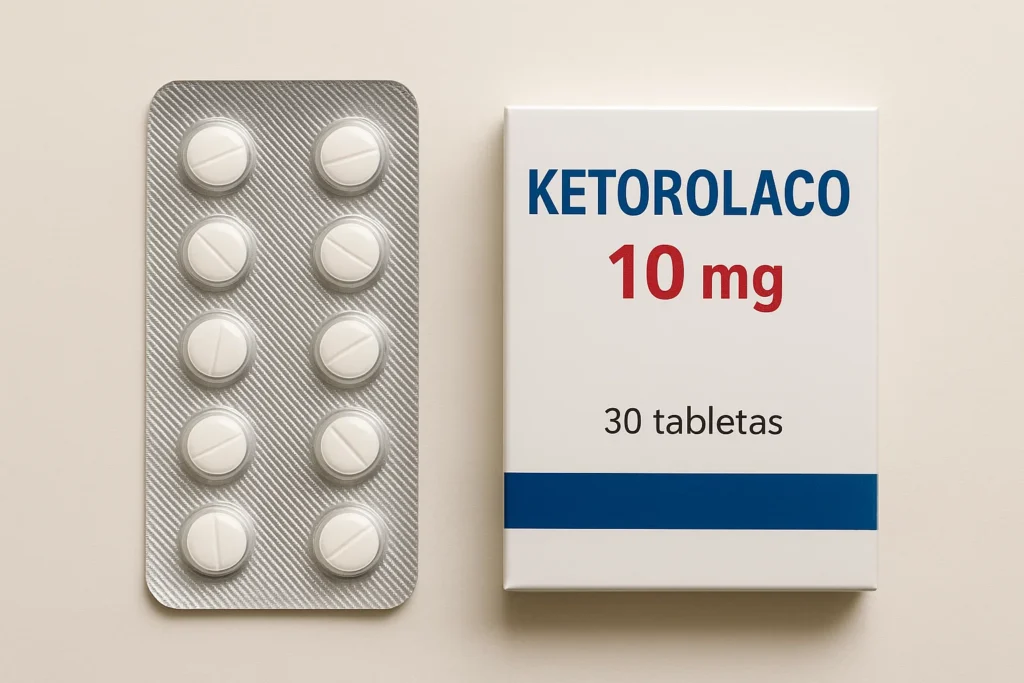
So, let’s break this down. We’re talking all things Ketorolaco 10 mg: what the heck it is, how it actually works in your body, where doctors like to use it, dosing stuff, ugly side effects (because, of course), plus smart tips for using it without totally nuking your insides. You’ll get the whole story, maybe a few “don’t do what I did” warnings, and hopefully decide if this is your pain-busting sidekick or something better left on the pharmacy shelf. ketorolaco 10 mg
What even IS Ketorolaco 10 mg?
Ready for a little science class: it’s an NSAID. Which, in normal human words, means it tackles pain and swelling but packs way more punch than the stuff you find on the drugstore shelf. You don’t pop this for that stray paper cut. This is for when things are real – like post-op, after a wisdom tooth extraction, or when your back is screaming from some wild activity you seriously regret now.
It blocks some chemical signals — prostaglandins — that basically shout “PAIN! INFLAMMATION! ALERT!” inside your body. Shut down those signals, and things chill out way faster. This bad boy comes as a tablet, sometimes an injection, even eye drops (for, well, eye stuff, obviously). Usually people start with a shot if they’re really hurting, then switch to the 10 mg tablets.
Big warning though: this isn’t an everyday, “oh, my head kinda hurts” pill. Docs are strict — usually, no more than five days. If you’re thinking, “Eh, I’ll just keep taking it for this old knee,”… please don’t. Your stomach, kidneys, and liver will revolt.
How does it actually work?
Alright, so Ketorolaco stops these little jerk enzymes (the COX ones, for science nerds), that make prostaglandins, which means less pain and swelling. You’ll feel it start kicking in maybe half an hour later — so, pretty quick. The effects hang around for 4–6 hours, which is why it’s a favorite for the first hellish days after surgery or a big injury.
It crushes pain more aggressively than regular ibuprofen or naproxen, so don’t just swap it in for Advil. This is the “I need something strong, but let’s skip the opioids” option. Basically, it’s a step up, not just a side step.
Why would a doc give you Ketorolaco 10 mg?
How much should you actually take?
Here’s the deal — normal adult dosage is 10 mg, once every 4–6 hours, and cap it at 40 mg a day. Five days is pretty much the maximum. No, taking double won’t make you heal faster, it’ll just wreck your guts or kidneys (not exaggerating). Older folks or those with bum livers/kidneys get a lower dose. Please don’t DIY this stuff; stick to what your doc says.
It’s less harsh if you take it with food or chase it with a big glass of water. Miss a dose? No biggie, grab it when you remember, unless you’re almost due for the next one — then just skip and carry on. Double-dosing is a terrible idea.
Brace Yourself: The Good, The Bad, The Ugly (a.k.a. Side Effects)
Nobody gets off easy with meds. Here’s what might hit you:
Common stuff:
Nausea, stomach upset
Feeling sleepy or a bit dizzy
Constipation or the exact opposite, diarrhea
Light headaches
Usually this stuff chills out once you’re done.
Serious stuff don’t mess around:
Stomach ulcers or nasty bleeding
Kidney failure territory
Blood pressure spiking
Big allergy reactions (can’t breathe, rash, face swelling — call for help, stat)
Not trying to scare you, just… real talk. If stuff gets weird, call your doc fast.
Alright, is Ketorolaco 10 mg for everyone? Not a chance. If you’ve got a history of stomach ulcers, kidney issues, or you guzzle alcohol like it’s water, steer clear unless your doc thinks it’s worth the risk. And mix it with other painkillers? Bad idea.
Bottom line: Ketorolaco 10 mg? It’s a beast if you’re in real pain — just use it wisely, don’t act like a hero, and definitely keep your doctor in the loop. You want pain relief, not a whole new set of problems.
Also read : ketorolaco sublingual


One thought on “Ketorolaco 10 mg: Complete Guide to Use Dosage and Safety”