
Meta Title: Sedation Dentistry: Types, Benefits, Risks, and Cost Explained
Meta Description: Learn everything about sedation dentistry. Discover how it works, types of sedation, benefits, risks, cost, and if it is right for you.
Deep Sedation
Deep sedation involves medication to a point where you stay asleep during the dental visit and only awaken when the procedure is over. It can be given through pills or IV, but the experience will vary depending on the individual and the medications involved.
General Anesthesia
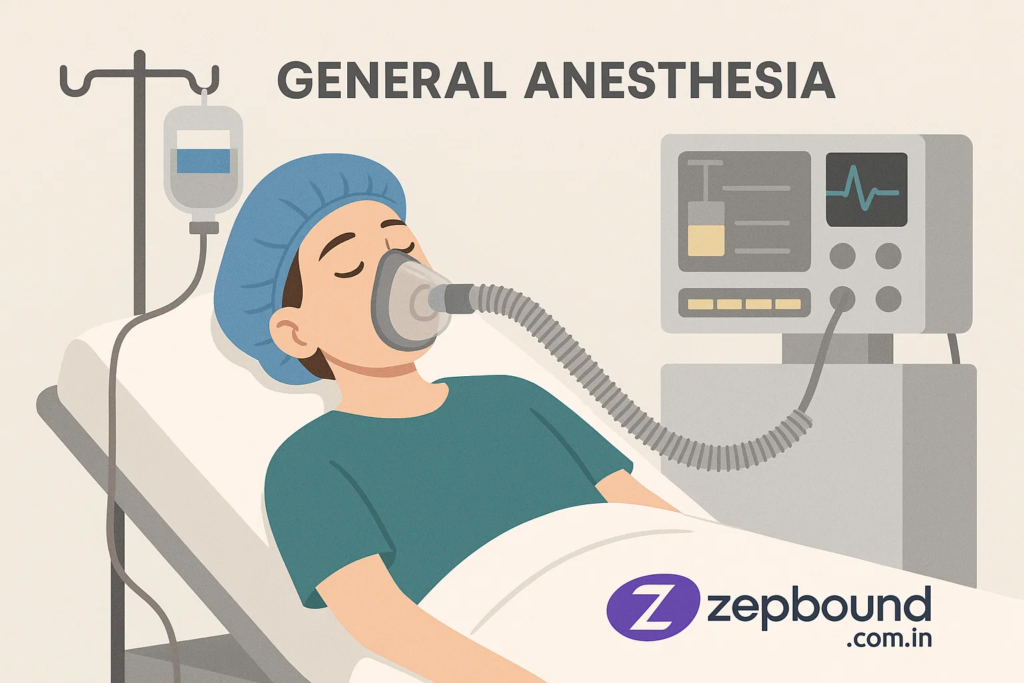
General anesthesia results in full sedation and is classified as “staying asleep” while the dentist does the work. This level may not be necessary for the dental procedure, but some patients and procedures benefit from full sedation. In general anesthesia, a patient may not remember the dental appointment afterward.
| Category | Power Words to Use in Article |
|---|---|
| Safety & Trust | Safe, Proven, Professional, Trusted, Certified, Reliable |
| Comfort & Relief | Pain-free, Relaxing, Stress-free, Gentle, Comfortable, Easy |
| Results & Benefits | Effective, Quick, Powerful, Long-lasting, Complete, Improved |
| Emotion & Assurance | Calm, Confident, Fear-free, Worry-free, Stress relief, Peace of mind |
| Urgency & Action | Now, Today, Discover, Start, Find out, Choose, Get help |
Why Sedation Dentistry is Used
Sedation dentistry is used for challenges such as a patient who is a child, fears the dentist, struggles with sitting still, or located in a more remote dental practice. It allows the opportunity for longer procedures that normally may require more than one appointment, such as extractions or crowns, to be completed in one appointment.
Is Sedation Dentistry Safe for You?
The dentist will perform a health history, including any surgeries, medications, or allergies to determine safety and the appropriate level of sedation necessary. Withpt in recent years, and simply not familiar with sedation, some unfamiliar procedures that felt better (needles) as most people had “no idea” it was happening.
Sedation Dentistry Types
Dentists typically use various sedation methods based on the patient’s needs.
Minimal Sedation
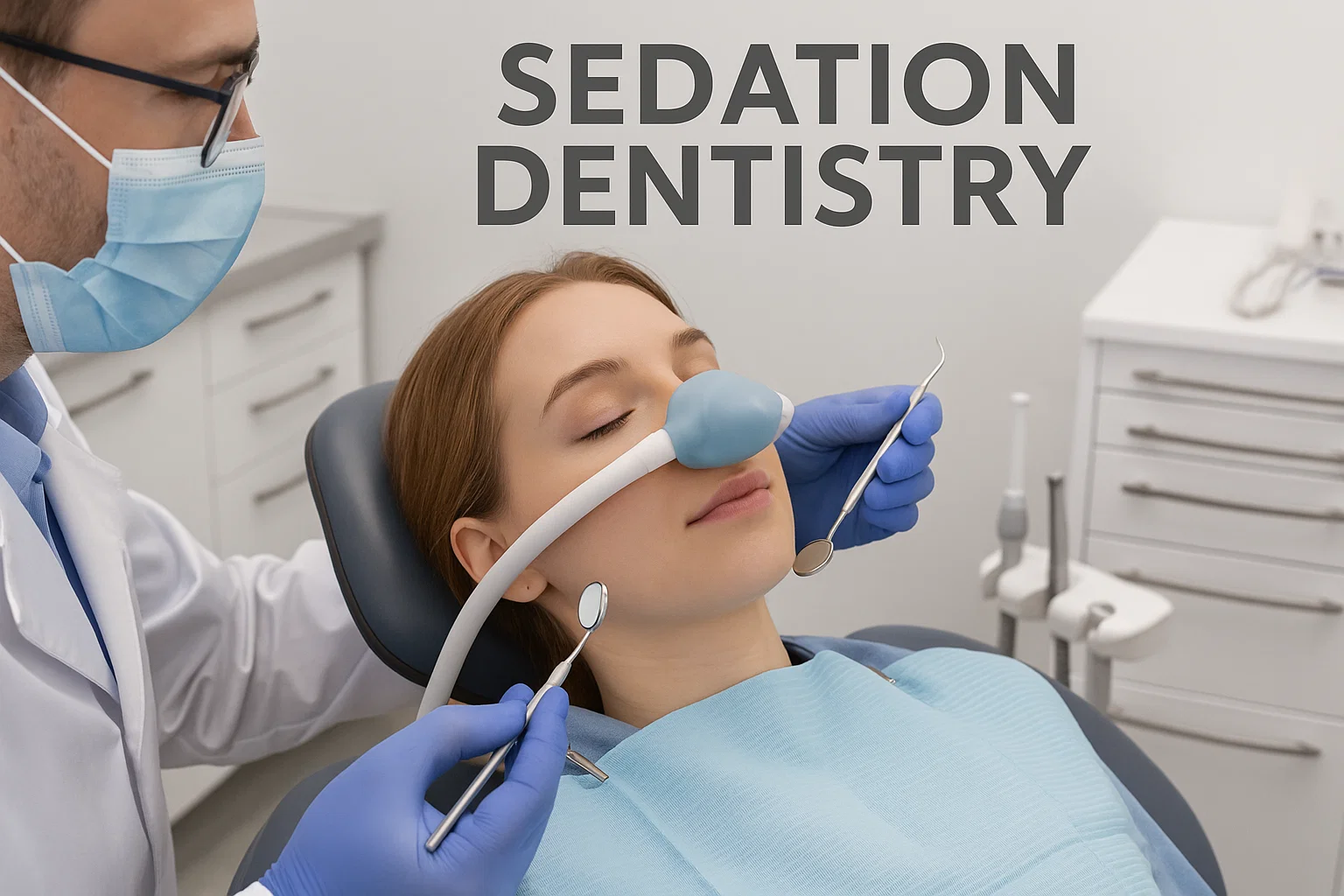
Minimal sedation lets you stay awake but relaxed. Nitrous oxide is the most common form of minimal sedation (also known as “laughing gas”). You will breathe this through a mask, and it will wear off quickly.
Moderate Sedation
Moderate sedation may cause slurred speech and you may have little memory of the procedure, and is sometimes referred to as conscious sedation. Moderate sedation is achieved by using medications administered by pill form or an IV.
Deep Sedation
Deep sedation will put you in a state between conscious and unconscious. You will not be fully awake, but you can be awakened.
General Anesthesia
General anesthesia will put you completely unconscious. It is generally set aside for major surgery or when other sedation is not adequate.
How Sedation Dentistry Works
Process Step by Step
- Initial consultation to review medical history.
- Selection of sedation type based on anxiety level and procedure.
- Monitoring of heart rate, blood pressure, and oxygen during treatment.
- Procedure begins once sedation takes effect.
- Recovery period before the patient leaves.
The Dentist’s and Anesthesiologist’s roles
In the majority of cases, sedation is managed by the dentist, with further involvement by an anesthesiologist in the case of deeper sedation procedures to ensure patient safety. Both will monitor vital signs throughout the procedure.
Who Can Benefit From Sedation Dentistry?
Patients with Dental Access
Patients that struggle with dental phobia are most likely to benefit from sedation. It can help make the visit surprisingly calm and manageable.
Children
For children, safe and effective sedation methods such as nitrous oxide can be used to help even fearful children and to allow children to sit still for procedures.
Patients with a Low Pain Threshold
For patients that may feel discomfort or are even worried about discomfort during a standard dental cleaning, sedation dentistry will provide a pain free or discomfort free experience.
For Patients with Complex Cases
Sedation helps with patients while they are undergoing oral surgery cases, root canal therapy, or multiple extractions. Sedation allows the dentist to do more work at one appointment in less time.
Advantages of Sedation Dentistry
Alleviates anxiety and worry.
Ensures dentist work with less pain.
Enables faster procedures, as dentist work will be uninterrupted.
Allows attendance by patients that otherwise won’t be able to.
Disadvantages and Risks of Sedation Dentistry
Common Side Effects
Sleepiness
Dry mouth
Nausea
Headache
Rare Risks
Low blood pressure
Difficulty breathing
Allergic reaction
Safety measures taken by Dentists
Dentists will look at their patient’s medical history, be prudent with the dosage and submit the patient to continuous monitoring for this reason.
How to Prepare for Sedation Dentistry Before the appointment
Do not eat or drink as instructed
Provide transport for yourself (you may not be able to drive afterward)
Be prepared to share your complete medical history: allergies medications, illnesses, etc.
What to Expect While Seated for Treatment
You will be drowsy, calm, or asleep depending on the depth of sedation. Vital signs are monitored continuously.
Recovering and What to Do After Receiving Treatment Rest as long as possible for the day (until bed)
Drink fluids for hydration
Follow anything the dentist tells you.
Cost for Sedation Dentistry
Factors of Cost
Type of sedation
Length of procedure
Experience level of the dentist
Location you are located
Insurance for Sedation
Generally, insurance companies do not cover sedation for dental work unless there is a medical necessity (surgery, patient with special needs, etc.), and cost expectations will vary widely if coverage is not available.
Sedation Or General Dentist
General dentists offer routine dental care without sedation. When sedation is part of a dental procedure, medication is used to alleviate anxiety and pain. The benefit of sedation is simply comfort. People who suffer from anxiety or require a more complex dental visit will generally use sedation dentistry.
Frequently Asked Questions Regarding Sedation Dentistry
Is it safe?
Yes, when performed by a trained professional. The safety measures and monitoring for sedation help to minimize any associated risks.
How long does it last?
Duration of effect is dependent on type of sedation. Nitrous oxide wears off in approximately 10 minutes, while oral or IV sedation lasts several hours, and general anesthesia requires a longer recovery.
Can a child have sedation?
Yes, sedation can be used in safe doses, and nitrous oxide is often used for children.
Will my insurance cover it?
Insurance rarely covers dental sedation unless it’s medically necessary. Check with your insurance company.
Conclusion
Sedation dentistry helps people overcome fear, pain, and discomfort at the dentist’s office. It offers options from minimal relaxation to complete unconsciousness. While it has risks, proper monitoring makes it safe for most patients. If you struggle with dental anxiety or face complex procedures, talk to a licensed dentist about sedation dentistry.


Your article helped me a lot, is there any more related content? Thanks!
Thank you for your sharing. I am worried that I lack creative ideas. It is your article that makes me full of hope. Thank you. But, I have a question, can you help me?
I don’t think the title of your article matches the content lol. Just kidding, mainly because I had some doubts after reading the article.