

Meta Title: What is the Best Injection for Weight Loss at Home | Safe Guide 2025
Meta Description: Learn what is the best injection for weight loss at home. Learn how they work, FDA-approved choices, safety tips, and alternatives before beginning treatment.
Introduction
Most individuals these days look for quicker solutions to losing weight. Changes in lifestyle such as diet and exercise are effective, but some desire added assistance. Due to this, the question of “What is the best injection for weight loss at home” is no longer uncommon. Weight loss injections are said to facilitate fat burning and reduced appetite. But before they are used, it is essential to understand how they function, their dangers, and safe alternatives.
Table of Contents
- Introduction
- What Are Weight Loss Injections
- How Weight Loss Injections Work
- Prescription vs Over-the-Counter Options
- Safety and Risks of Using Injections at Home
- FDA-Approved Weight Loss Injections
- How to Choose the Right Injection
- Tips for Safe Use at Home
- Alternatives to Weight Loss Injections
- When to Consult a Doctor
- Final Thoughts
What Are Weight Loss Injections
Weight loss injections are prescription drugs injected under the skin. They have active ingredients that influence appetite, metabolism, or the absorption of fat. Some replicate natural hormones that control hunger. Others allow the body to metabolize sugar better.
They are administered once a day or a week. Physicians prescribe them for individuals with obesity or who did not succeed with diet and exercise alone.
How Weight Loss Injections Work
The most widely used weight loss injections work these ways:
Reduce hunger: Injections like GLP-1 receptor agonists decrease hunger.
Enhance insulin sensitivity: They improve the body’s ability to use sugar, reducing fat storage.
Slow stomach emptying: This makes you feel full longer, avoiding overeating.
Increase metabolism: Some injections aid fat breakdown.
These effects combined can result in gradual weight loss when accompanied with lifestyle changes.
Prescription vs Over-the-Counter Options
Not all injections are equal.
Prescription injections
Need a physician’s prescription.
Examples are Semaglutide (Wegovy, Ozempic) and Liraglutide (Saxenda).
Supported by clinical trials and FDA endorsement.
Usually more effective and safer when closely monitored.
Over-the-counter shots
Available online or in spas without firm medical supervision.
Tend to be promoted as “fat burners” or “lipotropic shots.”
Can include vitamins such as B12, amino acids, or other substances.
Less proven effectiveness compared to prescription medications.
Safety and Risks of Using Injections at Home
It is possible to use weight loss injections at home, but with risk if done improperly.
Side effects that are common
Nausea
Vomiting
Diarrhea or constipation
Headaches
Severe risks
Pancreatitis
Gallbladder disease
Allergic reactions
Improper injection technique that results in infection
Self-injection should only be performed after training from a medical practitioner. Online or unregulated injections can prove hazardous.
FDA-Approved Weight Loss Injections
Up to this point, the most prescribed and FDA-approved weight loss injections include:
Semaglutide (Wegovy)
Weekly injection.
Demonstrated in studies to assist patients in losing up to 15% of their weight.
Acts by suppressing appetite and slowing the emptying of the stomach.
Liraglutide (Saxenda)
Once-daily injection.
Facilitates weight loss of approximately 5–10% within one year.
Also aids in blood sugar control.
Tirzepatide (Mounjaro, Zepbound)
More recent option, approved for type 2 diabetes and weight control.
Dual GLP-1 and GIP receptor action for more potent effects.
Initial studies demonstrate weight loss greater than 20% in certain patients.
These shots are only recommended for individuals with a BMI of 30 or more, or 27 and above with associated medical conditions.
How to Select the Optimal Injection
The optimal injection is determined by:
Your health status: Diabetes, obesity, or other medical conditions.
Professional recommendation: Only a doctor can recommend the best choice.
Price and accessibility: Certain shots are costly and might not be paid for by insurance.
Lifestyle compatibility: Daily versus weekly injections may be significant with regard to convenience.
Never purchase injections online without a doctor’s prescription. Genuine medication should be from authorized pharmacies.
Safety Hints for Home Use
If your physician permits injections at home, go through the following steps:
Wash hands before administering the shot.
Use sterile needles and do not reuse them.
Administer in the suggested body areas, such as stomach or thigh.
Alternate injection sites to prevent irritation.
Store the drug properly in a refrigerator.
Keep track of doses with a chart or reminder app.
Notify your doctor immediately if you experience side effects.
Safe handling makes a big difference in avoiding infection and complications.
| Injection Name | Type | Dosage | Frequency | Weight Loss Potential | Key Notes |
|---|---|---|---|---|---|
| Wegovy (Semaglutide) | GLP-1 receptor agonist | 2.4 mg | Weekly | Up to 15% body weight | FDA-approved, reduces appetite, slows digestion |
| Saxenda (Liraglutide) | GLP-1 receptor agonist | 3 mg | Daily | 5–10% body weight | FDA-approved, helps control hunger |
| Ozempic (Semaglutide) | GLP-1 receptor agonist | 1 mg | Weekly | 10–15% body weight | Approved for diabetes, often used off-label for weight loss |
| Mounjaro (Tirzepatide) | Dual GLP-1/GIP receptor | 5–15 mg | Weekly | Up to 20%+ body weight | Newer option, strong appetite suppression |
| B12/Lipotropic Shots | Vitamin & amino acid blend | Varies | 1–3 times/week | Minimal evidence | Not FDA-approved for weight loss, used for energy support |
Alternatives to Weight Loss Injections
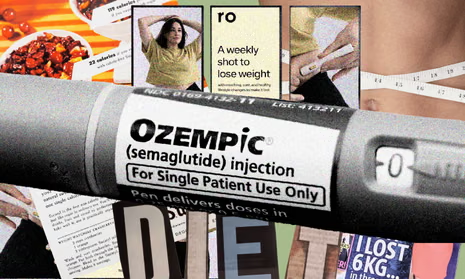
There are alternatives. You might explore alternatives that also contribute to weight loss.
Oral medications: Tablets such as Orlistat or Phentermine might be prescribed.
Lifestyle programs: Controlled diet and exercise programs are still the most effective long-term.
Supplements: Certain natural supplements may help metabolism, although evidence is less strong.
Non-invasive treatments: Procedures such as fat freezing or endoscopic balloons can be beneficial.
Oftentimes, eating well, activity, and medical assistance all combined produce the most ideal results.
When to See a Doctor
You should see a doctor if:
Your BMI is 30 or higher.
You suffer from conditions such as diabetes or high blood pressure.
You have side effects from injections.
You do not know what injection is safe for you.
You are thinking of purchasing products online that contain unknown ingredients.
Proper guidance helps you avoid jeopardizing your health in the process of losing weight.
Final Thoughts
The answer to “What is the best injection for weight loss at home” is not the same for everyone. FDA-approved options like Semaglutide, Liraglutide, and Tirzepatide have shown strong results, but they require medical supervision. Safety should always come first. If you want to try injections at home, consult your doctor, follow proper technique, and consider alternatives that fit your lifestyle.
Also read : Starbucks


Can you be more specific about the content of your article? After reading it, I still have some doubts. Hope you can help me. https://www.binance.info/register?ref=IHJUI7TF
Thanks for sharing. I read many of your blog posts, cool, your blog is very good. https://accounts.binance.info/en/register-person?ref=JHQQKNKN